Higher Man
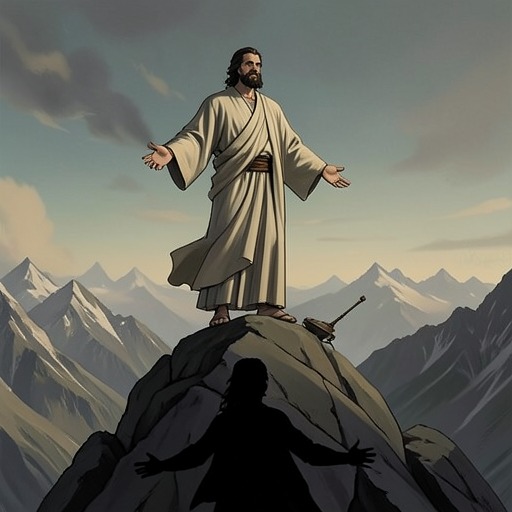
Thus Spoke ZarathustraThe Higher Man is an intermediate human type: elevated beyond the ordinary, yet not the fulfilled humanity for which Zarathustra waits. The mountain encounter makes the distinction decisive. The Higher Men arrive as signs of change, but Zarathustra rejects them as his destination, describing them instead as bridges and steps over which a still higher type may pass.
The Call and the Visitors
The concept first takes shape in a cry that returns nearer and more distressfully than before. The Prophet identifies its caller as the Higher Man and insists that the cry is meant for Zarathustra. Zarathustra, silent and shaken, asks who is calling; when told, he repeats the name in horror and breaks into a sweat. The scene gives the term an urgent, almost summons-like force, but does not yet make clear what the caller wants. The Prophet listens toward the depths, while Zarathustra remains trembling in the silence that follows.
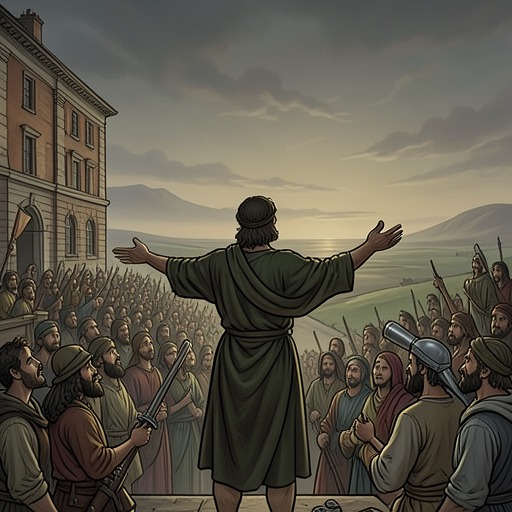
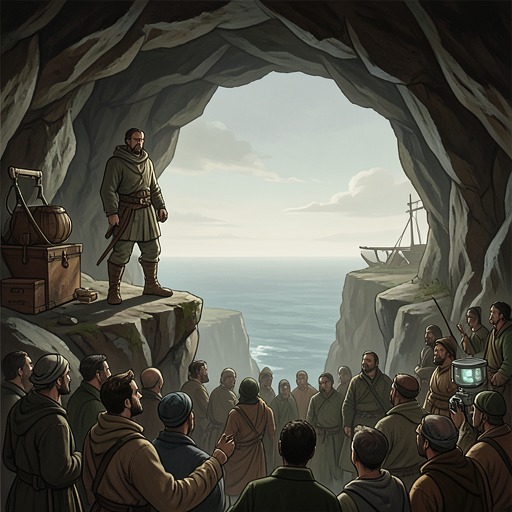
The later gathering gives the name a collective form. When the right-hand king takes Zarathustra’s hand in an attempt to kiss it, Zarathustra resists the adoration, steps back, and then returns to address his guests plainly. His first clarification is a refusal: he has not been waiting in the mountains for them. Their presence matters, but not as the arrival of the people he ultimately desires. The distinction between a call for the Higher Man and Zarathustra’s rejection of the assembled Higher Men keeps the category from becoming a simple honorific. It marks an elevation that is real but insufficient.
A Higher Type, Still Imperfect
Zarathustra’s judgment concerns both outward form and inward inheritance. He tells the guests that they are not handsome or wellborn enough to serve as clear mirrors for his teaching: their surfaces distort his reflection. The image makes their inadequacy relational as well as personal. They cannot receive and return his teaching without alteration, because what they carry already complicates the image they might offer.
He names those burdens more specifically: memories weigh on their shoulders, evil dwarfs crouch in their corners, and a hidden mob remains within them. Although they are of a higher type, much in them is crooked and malformed. The blacksmith image sharpens the point: no smith could hammer them straight and into shape for Zarathustra. Their height therefore does not amount to wholeness. Their elevated status coexists with traits and inheritances that prevent them from embodying the form he seeks.
This is not a declaration that the visitors have no significance. Zarathustra calls them bridges and steps. Those images assign them a transitional value: they may be crossed or climbed over by higher people, and are told not to resent the one who rises beyond them. The metaphor preserves their place in the movement toward a different humanity while denying that they are its endpoint. Their worth lies partly in making passage possible, not in claiming completion for themselves.
Inheritance and the Future
Zarathustra allows for a future connection between the guests and what is to come. From their seed, he says, a genuine son and perfect heir may one day grow. The prospect is explicitly distant. The guests themselves do not possess the inheritance or name he reserves for that future successor. The image of seed thus complicates his rejection: the Higher Men are not simply discarded, but their possible contribution belongs to a future they cannot claim as their own achievement or identity.
That distance also explains why Zarathustra says he will not leave the mountains for the last time with these guests. He regards them as omens that higher people are already on their way, not as the awaited company itself. He distinguishes them from people marked by great longing, great disgust, great satiety, and what the guests call the remnant of God. The Higher Men can announce a change without completing it; their arrival is evidence that something is approaching, rather than proof that it has arrived.
The Measure of the Awaited Humanity
Against the limitations of his guests, Zarathustra sets a more demanding image. He waits for people who are higher, stronger, more victorious, and more joyful, square-built in body and soul, and like laughing lions. The physical and spiritual qualities are joined: strength is not enough without joy, and elevation is not enough without a form capable of affirming life. The contrast makes the Higher Man a measure of distance as much as a rank. The visitors stand above the ordinary, but remain short of the bodily, spiritual, and emotional completeness Zarathustra anticipates.
His appeal to the guests to speak of his gardens, the Blissful Islands, and his beautiful new race turns that contrast toward an unarrived future. The Higher Men are present in the mountains, while the new race belongs to what Zarathustra is still awaiting. In this episode, then, the concept names a necessary but provisional human condition: a height that carries burdens, a bridge that enables passage, and an omen of a successor not yet present.